African Telescope Independent Journalism. African Perspectives
Chibuzor Alli
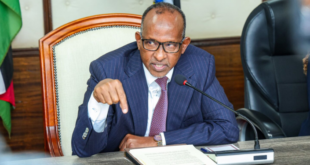
Professor Attahiru Jega, the Special Adviser to President Bola Tinubu on Livestock Reforms, has issued a stark warning about Nigeria’s looming protein deficiency and escalating food insecurity. He emphasized the urgent need for reforms in the livestock sector to prevent a looming national crisis.
Speaking at the University of Ilorin on Monday, June 30, 2025, during a lecture titled “The Political Economy of Livestock Development in Nigeria: Challenges and Prospects,” Jega warned that if Nigeria fails to take strategic action now, the nation could face severe nutritional and economic hardships. With Nigeria’s population expected to reach 400 million by 2050, the country must prepare for significant increases in the demand for animal-based foods.
The lecture, part of the university’s 50th anniversary celebrations honoring Senator Saliu Mustapha, focused on the vital role of livestock in Nigeria’s development. Jega pointed out that demographic changes and changing dietary preferences will put immense pressure on Nigeria’s livestock systems in the coming decades.
He stated, “Demographic shifts and evolving dietary preferences are set to place unprecedented pressure on Nigeria’s livestock systems in the coming decades.” He further projected that by 2050, Nigeria’s population will be nearly 400 million, making it the third most populous country in the world. To meet the growing demand, the country will need a 253% increase in poultry meat, 117% more beef, and a staggering 577% rise in milk production.
“These figures are not hypothetical abstractions; they are alarm bells,” Jega warned. “Without deliberate, anticipatory planning and long-term investments in livestock systems, Nigeria risks facing acute protein deficits, heightened food insecurity, and increased pressure on already fragile rural communities.”
He called for a fundamental rethinking of the sector’s approach—focused on sustainable intensification, climate-smart practices, and inclusive value chain development—rather than relying on current slow-paced methods. “The alternative is an avoidable crisis in which growing populations, shrinking arable land, and environmental degradation worsen rural poverty and increase Nigeria’s dependence on food imports,” he warned.
Jega stressed that the livestock sector is crucial to Nigeria’s economy, contributing about 7 to 9 percent of agricultural GDP and providing livelihoods for over 20 million people. Despite its importance, the sector faces deep-rooted challenges like outdated production methods, fragmented value chains, weak veterinary services, and poor policy coordination. The ongoing farmer-herder conflicts, driven by competition over dwindling natural resources and worsened by climate change, have also exacerbated insecurity and displacement.
He underscored that reforming and modernizing the livestock sector is not optional but a national necessity. “Modernising and commercialising the livestock sector is not a luxury—it is a national imperative. It holds the power to nourish our population, stabilise fragile regions, unlock hidden economic value, and restore the dignity of rural livelihoods,” Jega stated.
Senator Mustapha, chairman of the Senate Committee on Agriculture Production Services and Rural Development, praised Jega’s impactful contribution. He noted that Jega’s insights could inspire Nigerian youths to engage actively in livestock initiatives that promote socio-economic growth. The senator also shared that he has empowered 200 poultry farmers in his district with chicks to boost local food production and pledged to support more policies to improve livelihoods in Kwara State.
Earlier, the Dean of the Faculty of Social Sciences at UNILORIN, Professor Adedoyin Omeda, highlighted that the lecture’s theme was motivated by Nigeria’s growing economic and security challenges. She described Jega as a bridge between academia and public service, emphasizing the importance of his insights.
In his opening remarks, UNILORIN Vice-Chancellor Professor Wahab Egbewole, through Deputy Vice-Chancellor Professor Fawole Adisa, expressed support for the lecture theme, aligning it with President Tinubu’s Renewed Hope Agenda, and called Professor Jega “the best choice for the topic.”