 African Telescope Independent Journalism. African Perspectives
By African Telescope
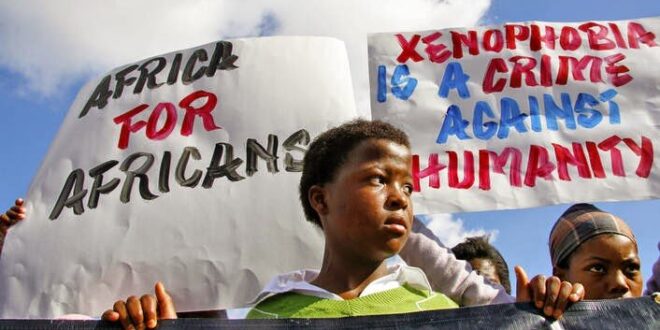
Fresh xenophobic attacks in South Africa have forced more than 3,000 African nationals to flee, be evacuated or seek emergency shelter, raising fresh concerns over the future of African unity and the continent’s commitment to the free movement and protection of its citizens.
The humanitarian crisis has prompted emergency evacuations by several African governments, while the United Nations has warned of growing displacement as anti-foreigner violence spreads across parts of South Africa.
Nigeria has evacuated at least 593 citizens as of early July 2026, with more than 1,000 others registered for voluntary repatriation under the Federal Government’s evacuation programme.
Ghana has also stepped up efforts to bring its nationals home, repatriating more than 660 citizens in a single weekend through its High Commission in Pretoria.
Authorities say additional evacuation operations are being planned as more Ghanaians indicate their willingness to return home.
According to the United Nations, about 800 nationals from Mozambique, Malawi and Zimbabwe fled to community halls for immediate safety following the attacks and required government-assisted repatriation.
The latest wave of violence has displaced thousands of migrants, many of whom abandoned their homes, businesses and jobs amid fears for their lives.
The crisis has also triggered diplomatic tensions. Ghana recently declined a proposed state visit by South African President Cyril Ramaphosa, insisting that stronger action was needed to protect foreign nationals before high-level engagements could resume.
Growing questions over African solidarity
Beyond the humanitarian toll, the attacks have reignited debate over the strength of African unity at a time when regional cooperation is facing multiple challenges.
For decades, African leaders have promoted continental integration through initiatives such as the African Union’s Agenda 2063 and the African Continental Free Trade Area, both of which seek to encourage the free movement of people, goods, services and investment across Africa.
However, analysts say recurring xenophobic attacks threaten these aspirations by creating fear among Africans seeking opportunities in other countries and undermining confidence in regional integration.
The latest violence also comes as West Africa grapples with political instability that has weakened regional institutions. Military coups in Mali, Burkina Faso and Niger have tested the authority of Economic Community of West African States, with prolonged disputes over democratic governance and sanctions exposing divisions within the bloc.
Observers argue that while the coup crises and South Africa’s xenophobic violence are different issues, both reflect broader challenges confronting African institutions in safeguarding democratic values, protecting citizens and fostering continental solidarity.
A recurring crisis
South Africa has experienced repeated outbreaks of xenophobic violence since 2008, with migrants from Nigeria, Zimbabwe, Mozambique, Malawi, Somalia, Ethiopia and the Democratic Republic of the Congo frequently among those targeted.
The 2008 attacks left more than 60 people dead and displaced tens of thousands, while subsequent waves in 2015 and 2019 sparked diplomatic protests, emergency evacuations and widespread condemnation across Africa.
Human rights organisations have consistently argued that migrants are often unfairly blamed for unemployment, crime and economic hardship, despite little evidence linking foreign nationals to the country’s broader socio-economic challenges.
As fresh evacuations continue, many analysts warn that unless African governments work collectively to protect citizens beyond their borders, strengthen regional cooperation and address the root causes of xenophobia, the continent’s vision of unity and integration could face even greater strain.










