 African Telescope Independent Journalism. African Perspectives
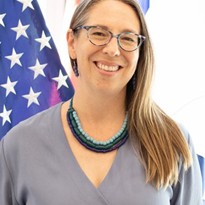
The United States Peace Corps has introduced a new one-year volunteer service model in The Gambia as part of a pilot programme aimed at attracting more Americans into overseas service.
Speaking at the launch, a senior Peace Corps official said the pilot is limited to only three African countries — The Gambia, Eswatini and Cameroon — due to their strong track record in hosting volunteers.
“This pilot programme is for only three African countries, including The Gambia.They are innovators and helped put The Gambia literally on the map,” she said.
She explained that the initiative was designed to ease the burden of the traditional two-year commitment required of Peace Corps volunteers.
“For many Americans, two years of service is a long time to be away. It can be financially difficult or clash with graduate school plans,” she noted.
“Our belief is that volunteers coming for one year can still have tremendous impact.”
According to her, volunteers who begin with the one-year option may later decide to extend their stay.
“After seeing the difference they can make in one year, they may choose to stay for a second or even a third year,” she added.
Addressing newly sworn-in volunteers who will be deployed across communities in The Gambia, the official urged them to embrace local values and perspectives.
“Be patient, work hard, listen deeply, and put Gambian perspectives first,” she said. “Our mission of world peace and friendship begins in small moments.”
She highlighted the long-standing impact of Peace Corps volunteers in the country, noting that many Gambians still recall their contributions.
“Almost every Gambian I meet says, ‘I’ve met a Peace Corps volunteer.’ One taught me, one mentored me, one encouraged me to go to university,” she said, stressing that their work has changed countless lives.
The official also encouraged volunteers to carry the culture and lessons from The Gambia back to the United States.
“The culture in the United States is better when it is influenced by The Gambia,” she said.










