 African Telescope Independent Journalism. African Perspectives
By Ogar Emmanuel
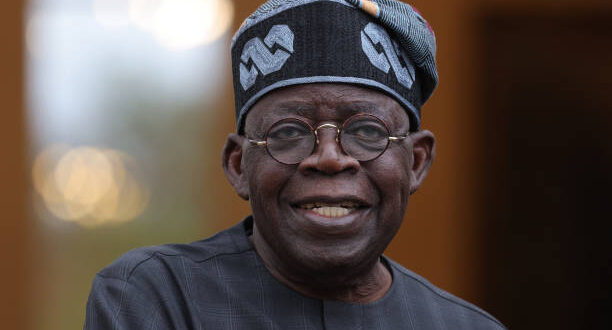
President Bola Ahmed Tinubu has ordered a transparent and enforceable sharing of electricity subsidy costs among the Federal, State and Local Governments as part of the 2026 budget process.
The directive was disclosed on Monday in Abuja by the Director-General of the Budget Office of the Federation, Dr. Tanimu Yakubu, during a training programme for Ministries, Departments and Agencies (MDAs) on post-budget preparation for the 2026 fiscal year.
Yakubu said the President wants an end to hidden subsidy obligations that often return as unpaid debts and liquidity crises in the power sector.
“Subsidy costs must be explicit, tracked and funded. They must not come back as arrears, liquidity problems or hidden liabilities in the power market,” he said.
According to him, whenever any tier of government decides to keep electricity tariffs low, the financial consequences of that decision must be clearly defined and enforced.
“If any level of government chooses affordability interventions, the funding responsibilities must be clear, agreed and enforceable. This is not punishment. It is alignment,” Yakubu stated.
He explained that fair burden-sharing would strengthen performance in the power sector and improve protection for vulnerable consumers.
“When everyone carries a fair share of the cost, everyone also has an incentive to support efficiency, targeted protection for the vulnerable and a power market that can actually deliver,” he said.
Yakubu warned MDAs against pushing unpaid subsidy obligations into the electricity market, stressing that all subsidy-related costs must be clearly reflected in budget proposals.
Beyond power subsidies, the Budget Office boss said the Federal Government is tightening project selection for the 2026 budget, insisting that only implementable and finance-ready projects will be considered.
“If it cannot be implemented, it should not be proposed. If it cannot be measured, it should not be defended,” he said.
He cautioned that overcrowded project lists often raise public expectations without real results.
“A long list of projects is not a development strategy. It is often a map of disappointment. What citizens feel is delivery completed roads, reliable power, functional schools and working hospitals,” Yakubu said.
Yakubu added that every proposed project must have clear designs, approvals, procurement plans, timelines and a defined funding sourcewhether from the federal budget, private partnerships or other financing options.
On fiscal discipline, he disclosed that President Tinubu has ordered a review of the Fiscal Responsibility framework to reflect current economic realities.
“Fiscal rules are not a slogan.
They are the guardrails of government. Without guardrails, spending becomes impulsive and debt becomes casual,” he said.
He explained that MDAs will now be required to justify spending requests within fiscal limits, sustainability goals and measurable outcomes.
Yakubu again stressed that electricity subsidies can no longer be treated as the sole responsibility of the Federal Government.
“Let me be direct. When tariffs are held below cost, a gap is created. That gap is a subsidy. And a subsidy is a bill,” he said.
He noted that since the benefits of subsidised power are shared across all tiers of government, the costs must also be shared transparently.
Yakubu said all 2026 budget proposals will be screened to ensure they align with national priorities, are deliverable, offer value for money and stay within Nigeria’s financial limits.
According to him, the goal of the 2026 budget is simple: fewer abandoned plans and more completed projects that solve real problems for Nigerians.










