 African Telescope Independent Journalism. African Perspectives
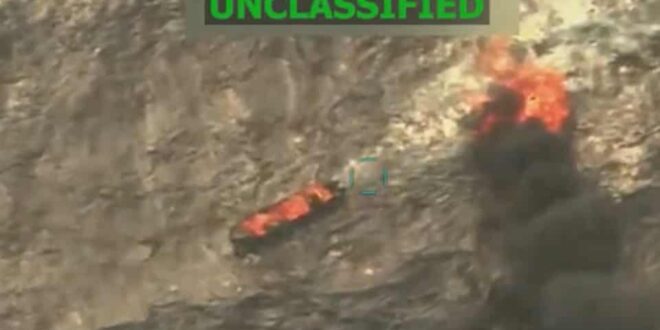
Outrage in Washington as footage shows US killing distressed Boat survivors
A major political storm is brewing in Washington after US lawmakers viewed a classified video allegedly showing American forces killing survivors of a bombed boat in the Caribbean, a strike officials had earlier claimed was part of an intensified anti-drug operation.
The footage, which remains unreleased to the public, was presented during a closed-door briefing to key congressional committees on Thursday. The briefing involved senior military officials including US Navy admiral Frank Bradley, who oversaw the operation, and the chairman of the Joint Chiefs of Staff, Dan Caine.
Congressman Jim Himes, the top Democrat on the House Armed Services Committee, described the video as “one of the most troubling scenes” he had witnessed in public service. According to him, the footage showed “two individuals in clear distress, without any means of locomotion, with a destroyed vessel, who are killed by the United States.”
The operation took place on 2 September near Trinidad and Tobago, where a US airstrike targeted a boat alleged to be transporting drugs from Venezuela to the United States. Eleven people died in the first strike, and two more—survivors of the initial blast—were reportedly killed in a follow-up attack.
The Pentagon has repeatedly denied allegations that Defense Secretary Pete Hegseth issued a “kill them all” command during the operation, a claim first reported by the Washington Post. Both Bradley and Republican senator Tom Cotton insist no such order existed.
Cotton, defending the attack, described the survivors as attempting to “flip a boat loaded with drugs” to continue their mission. However, Democrats and rights groups argue that the men were no longer combatants and should have been rescued.
The incident forms part of a broader US campaign that has conducted 21 strikes on suspected “drug boats” between September and mid-November, leaving at least 83 people dead. Critics, including Human Rights Watch and the Quincy Institute, warn that the strikes may constitute war crimes since the targeted boats posed no immediate military threat.
Human Rights Watch argues the US cannot legally classify the operations as an armed conflict without congressional approval, making the killings extrajudicial. “Nobody on those boats can be killed legally by the United States military,” said Sarah Yager, the organization’s Washington director.
The controversy is drawing international attention—including across Africa—because of its implications for global military conduct, maritime security, and international law. Analysts warn that if such strikes are justified without oversight, other powerful nations might adopt similar tactics in foreign waters.
Democrats in the Senate have called for the full release of the video and plan to push a war powers resolution that could limit the ongoing air campaign. But with Republicans divided and former President Donald Trump strongly defending the strikes, the political battle is expected to intensify.
Rights groups insist that transparency is urgent. “What’s the next step?” Marcus Stanley of the Quincy Institute asked. “The American people deserve to know what is being done in their name.”










