 African Telescope Independent Journalism. African Perspectives
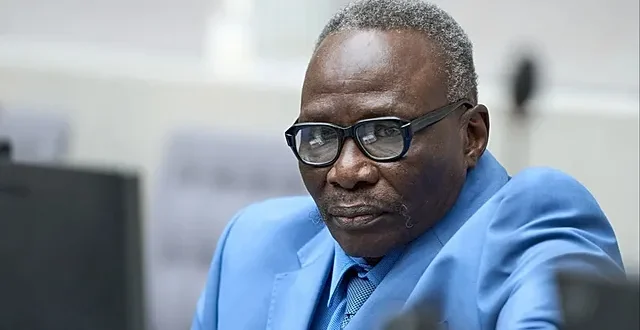
The International Criminal Court (ICC) has sentenced Sudanese militia leader Ali Muhammad Ali Abd-al-Rahman, popularly known as Ali Kushayb, to 20 years in prison for his role in the mass killings and brutal abuses carried out during the Darfur conflict more than twenty years ago.
Kushayb, 76, was found guilty in October on 27 counts of war crimes and crimes against humanity linked to the 2003–2004 attacks in Darfur. His conviction marks the first ICC ruling connected to the deadly conflict, which claimed hundreds of thousands of lives and displaced millions.
A Commander Who Led and Participated in Atrocities
As a top commander of the government-backed Janjaweed militia, Kushayb directed and personally took part in violent raids that saw villages destroyed, civilians killed, and women subjected to widespread sexual violence.
ICC Judge Joanna Korner said Kushayb issued orders to “wipe out” non-Arab communities and ensured that no one was spared, reinforcing his central role in the atrocities committed.
A Conflict That Still Shapes Sudan
Though the Darfur crisis officially ended in 2020, its impact remains visible. Sudan is currently engulfed in another civil war, with the Rapid Support Forces (RSF)—an evolution of the Janjaweed—accused of carrying out fresh atrocities, including ethnic cleansing. The RSF has denied the allegations.
Symbolic Victory Amid Ongoing Turmoil
Conflict analysts welcomed the sentencing but cautioned that it may have limited effect on Sudan’s current crisis. Dr. Matthew Benson-Strohmayer of the London School of Economics said militia-led violence and the systemic use of sexual violence remain entrenched in Sudan’s conflict dynamics.
Several ICC warrants remain outstanding, including one for former President Omar al-Bashir, who is wanted for genocide but remains in military custody after his removal from power in 2019.










