 African Telescope Independent Journalism. African Perspectives
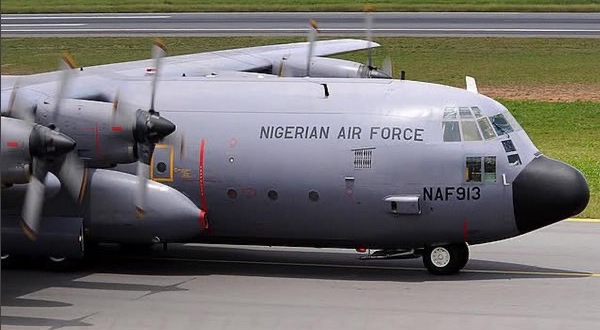
The Federal Government has confirmed that 11 Nigerian soldiers and a Nigerian Air Force (NAF) C-130 aircraft remain in detention in Burkina Faso, days after the military plane made an emergency landing in the West African country.
The government said it is actively engaging Burkinabe authorities through diplomatic channels to secure the release of both the aircraft and the detained personnel.
The C-130 Hercules aircraft was seized on Monday shortly after it made what the Nigerian Air Force described as a precautionary landing in Bobo-Dioulasso due to technical issues while en route to Portugal for routine maintenance.
However, authorities in Burkina Faso and the Confederation of Sahel States (AES) accused the Nigerian crew of entering their airspace without clearance, an allegation Nigeria has strongly disputed.
Confirming the development on Tuesday, spokesman of the Ministry of Foreign Affairs, Mr. Kimiebi Ebienfa, said negotiations were ongoing but had not yet yielded the release of the soldiers.
“We are engaging them, but they are yet to be released,” Ebienfa said.
He added that the Ministry of Foreign Affairs has taken over the matter to ensure a diplomatic resolution and the safe return of the detained military personnel and aircraft.
Following the takeover of the negotiations by the Foreign Affairs Ministry, the Nigerian Air Force has remained silent on the issue, deferring all official communication to the ministry.
Earlier, the NAF had explained that the aircraft was not on any mission in Burkina Faso and had landed solely due to technical concerns, dismissing claims that the plane was involved in espionage activities.
Despite the sensitive nature of the situation, retired Nigerian Air Force pilots contacted by Vanguard urged caution, warning against speculation while talks are still underway.
“In such situations, when the facts of the discussions are not made clear, assuming a conclusion may jeopardise government-to-government discussions and lead to avoidable risks,” one retired officer said, speaking on condition of anonymity.
“I advise we wait for the outcome of the negotiations.”
Meanwhile, emerging indications suggest that Burkina Faso and other Sahel states—Mali and Niger—may be leveraging the incident as a bargaining chip in their strained relations with Nigeria and the Economic Community of West African States (ECOWAS).
The three countries were suspended from ECOWAS following military coups that overthrew democratic governments, leading to sanctions and economic restrictions.
According to a retired military officer familiar with regional security dynamics, the ongoing economic hardship in the Sahel may be influencing the current standoff.
“The blockade of trade and movement of goods and services by ECOWAS, which they believe Nigeria largely influences, is hurting them badly,” the officer said.
“France no longer does business with them, so they are under serious economic pressure. They may be trying to use this situation to negotiate relief or economic assistance. But that is my personal opinion.”
For now, Nigerian authorities insist they are “on top of the situation”, expressing confidence that diplomatic engagement will lead to the safe release of the soldiers and the aircraft.
As discussions continue behind closed doors, Nigerians and the international community await a resolution to a development that has added fresh tension to already delicate relations between ECOWAS and the Sahel states.










