 African Telescope Independent Journalism. African Perspectives
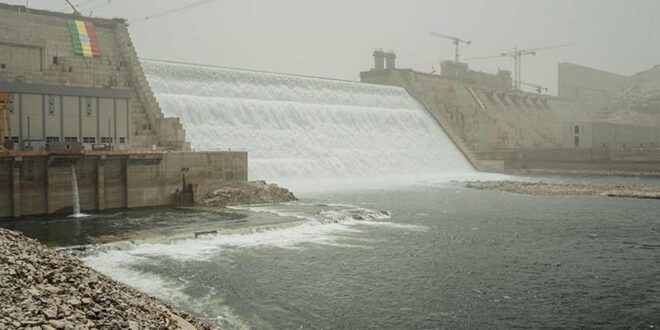
Egypt has raised fresh alarm over Ethiopia’s erratic management of the Grand Ethiopian Renaissance Dam (GERD), warning that unilateral water releases could threaten downstream countries, including Sudan and Egypt itself.
According to Egypt’s Ministry of Irrigation, Ethiopia’s outflow from the dam averaged 180 million cubic metres per day from 1–20 November—a nearly 80% increase over historical averages. “These sharp fluctuations highlight the risks of unilateral dam management and pose a direct threat to the rights of downstream nations,” the ministry said in a statement.
Minister of Irrigation Hani Sewilam told reporters, “This statement is a message to the world about Ethiopia’s approach to operating the dam. It reassures Egyptians that our water-management system is prepared for all scenarios.”
Experts warn the sudden changes are disrupting operations downstream, forcing Egypt to open the Toshka Canal and Spillway to stabilize Lake Nasser levels behind the Aswan High Dam. “The releases are far from normal operational practice,” said Abbas Sharaki, a professor of geology and water resources at Cairo University. “Instead of gradual releases, we see sudden discharges that endanger infrastructure.”
Egypt has repeatedly called for GERD operations to follow international law. The Nile, the country’s primary freshwater source—accounting for 96% of its supply—faces potential water deficits of up to 57.4 billion cubic metres annually if such unilateral practices continue.
“This operational pattern reflects the absence of a stable, science-based management plan,” the ministry added, noting that previous irregular releases have forced Egypt to redirect resources meant for planned upgrades of the Toshka spillway.
As Ethiopia continues its current dam operations, Egypt signals it will monitor developments closely and respond to any threats to its water security.










