 African Telescope Independent Journalism. African Perspectives
By African Telescope |
A deepening drought in northeastern Kenya has forced villagers to burn the carcasses of their dead animals as water sources dry up and hunger spreads across communities.
In Mandera County, which borders Ethiopia and Somalia, there has been no rainfall since May, pushing the area to the verge of a full-blown water crisis.
Pastoralists who depend on cattle, goats and camels for survival say their herds are being wiped out by dehydration and lack of pasture.
“I have lost all my cows and goats and burned them here,” a 60-year-old resident of Tawakal village, Bishar Maalim Mohammed, told AFP, adding that the only remaining bull in his community could no longer stand after days without water.
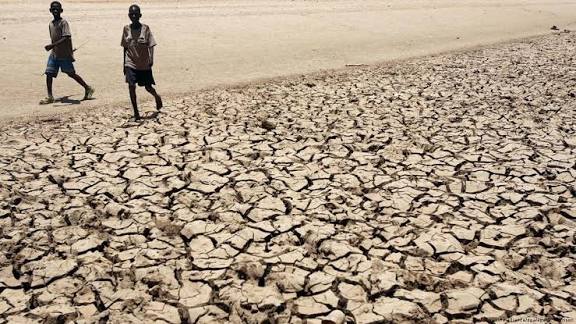
In Banissa town, a man-made dam that once stored about 60,000 cubic metres of water has dried up completely.
Children now play on the empty bed, while herds are forced to trek as far as 30 kilometres to the nearest watering point in Lulis village, where water is being rationed.
“In two weeks this water will be finished. We are in a very bad state,” said Aden Hussein, a resident.
More than two million people across 23 counties are facing worsening food insecurity after the failure of the October to December short rains, which were about two-thirds below average.
The National Drought Management Authority has placed nine counties on alert, with Mandera at the alarm stage, just short of an official emergency.
The crisis is also taking a toll on children. At Banissa’s main hospital, cases of severe malnutrition have overwhelmed the paediatric ward, with some children arriving from neighbouring Ethiopia.
A nutritionist at the hospital, Khalid Ahmed Wethow, said the lack of milk from camels and goats had worsened the situation, leaving many children without adequate diets.
The hospital, which serves about 200,000 people, has only a few tins of therapeutic milk left and has not received new supplies for six months due to cuts in international aid.
In desperation, some herders have attempted to migrate in search of pasture. One of them, Bishar Mohamed from Hawara village, said more than half of his 170 goats died during a long trek, with the rest dying after he returned home.
“We tried to escape in search of better places and failed,” he said.
The drought has also disrupted education, with school enrolment in some communities dropping by more than half as families move in search of water and food.
With the next rains not expected until April, residents fear the worst is yet to come. “May God save our children,” said Bishara Maalim, a mother of 10.










