 African Telescope Independent Journalism. African Perspectives
By African Telescope |
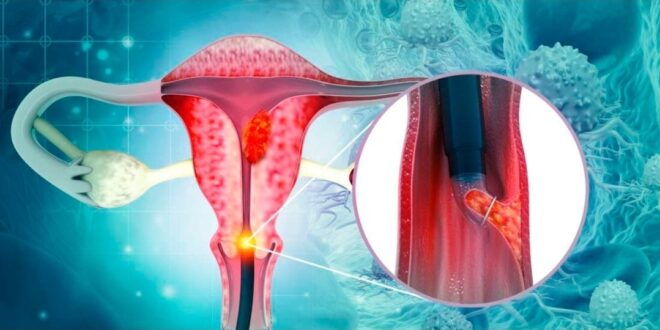
Kenya is facing a growing cancer crisis, with cervical cancer overtaking breast cancer as the country’s deadliest form of the disease, according to a new report by the World Health Organization.
The 2026 Global Report on Cancer, published by the WHO’s International Agency for Research on Cancer, revealed that although breast cancer remains the most commonly diagnosed cancer in Kenya, cervical cancer is responsible for the highest number of cancer-related deaths in the country.
The report showed that Kenya has recorded more than 47,000 new cancer cases and about 32,000 deaths, underscoring the heavy burden of the disease.
Globally, approximately 21 million people were diagnosed with cancer in 2024, while about 10 million died from the disease.
According to the WHO, sub-Saharan Africa continues to experience significantly poorer cancer outcomes than wealthier regions.
While the likelihood of being diagnosed with cancer in Africa is lower than in Europe or North America, patients face nearly the same risk of dying because of limited access to early diagnosis, treatment and quality healthcare.
The report found that more than half of women diagnosed with breast cancer in many African countries only seek medical attention when the disease has reached advanced stages, drastically reducing their chances of survival.
WHO cancer surveillance expert Isabelle Soerjomataram said survival from cancer still depends heavily on where people live and their economic circumstances, highlighting persistent inequalities between low- and high-income countries.
The report also noted that four in every 10 new cancer cases worldwide are linked to preventable risk factors such as tobacco use, alcohol consumption, infections and obesity.
Unlike Europe, where infections account for about 20 per cent of cancer causes, the report said infections are responsible for roughly 75 per cent of known cancer causes in Africa.
The WHO further warned that essential cancer medicines remain largely inaccessible in low-income countries, with availability ranging between nine and 54 per cent, compared with up to 94 per cent in high-income nations.
Health experts urged governments to strengthen HPV vaccination, expand cervical cancer screening, improve early diagnosis and invest in community awareness to reduce preventable deaths.
The report also projected that global cancer cases could rise to 35 million annually by 2050 if urgent preventive measures and improved access to treatment are not prioritised.










