African Telescope Independent Journalism. African Perspectives
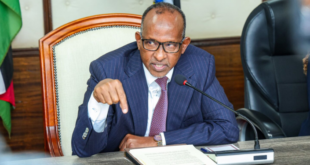
Kwara State Governor AbdulRahman AbdulRazaq has urged stakeholders to prioritize the mental well-being of security personnel, warning that ignoring psychological health can reduce their effectiveness and put public safety at risk.
Speaking through his Senior Advisor and Counselor, Saadu Salahu, at a men’s mental health conference held in Ilorin, the governor stressed the urgency of mental health support for security operatives who face intense pressures daily.
“Mental health issues can deeply affect men’s relationships, job performance, and their overall quality of life,” AbdulRazaq said. “Men are often raised to suppress their emotions, and this silence leads to unresolved trauma, substance abuse, and even suicide. We must break this culture.”
The event, themed “Breaking the Silence: Mental Health Support for Our Protectors,” was organized by Peace Progress and Unity Global Initiative (PPUGI) in partnership with PFA Consulting Firm and the Kwara State Government. It brought together officers from various security agencies for a frank discussion on mental health in the force.
Governor AbdulRazaq noted that mental health challenges in the sector are influenced by biological, social, environmental, and psychological factors. He recommended actionable steps including open dialogue, mental health education, a supportive workplace culture, and easier access to professional care.
Echoing the governor’s remarks, Dr Ahmed Bola Abdulkadir, Chief Medical Director of Kwara State University Teaching Hospital, described burnout as a growing concern.
“Burnout is not just tiredness; it’s emotional and physical exhaustion that disrupts relationships and job performance,” he said. “It’s a condition that must be addressed with urgency, especially among those tasked with protecting others.”
Dr Abdulkadir explained that symptoms of burnout and anxiety disorders include low energy, discouragement, negative attitudes, and difficulty maintaining personal and professional relationships.
Dr Tajudeen Abiola, who represented the Chief Medical Director of the University of Ilorin Teaching Hospital, Professor A.D. Yussuf, called for tangible support beyond verbal appreciation.
“Security personnel risk their lives for us daily. A thank you is not enough—they deserve consistent and stigma-free mental health care,” he said.
Convener of the conference, Ambassador Prevail Farida Olayinka, said the event aimed to open difficult conversations and help rebuild the inner strength of those silently suffering.
“How do you rise when you feel broken inside? The answer is peace of mind. Peace within is not weakness—it is the strength to rise again,” she said.
Participants at the event agreed that ending the silence around mental health in Nigeria’s security sector is essential to national stability and the welfare of those who serve.