African Telescope Independent Journalism. African Perspectives
By Emmanuel Ogar
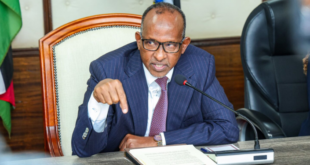
Ilorin, Kwara State – The Director-General of the Michael Imoudu National Institute for Labour Studies (MINILS), Comrade Issa Aremu, has applauded the United Nations General Assembly for dedicating July 18 as Nelson Mandela International Day, describing it as a timely recognition of selfless and transformative leadership.
Aremu made the remarks on Friday in Ilorin during an event marking the 2025 edition of Mandela Day, organised by the institute.
He stated that the day is more than a tribute to the life and legacy of the late South African icon, but a powerful reminder to the world — especially Africans — of the values Mandela embodied, such as justice, equity, and sacrifice.
“Mandela’s life continues to inspire generations across the world. His 27 years in prison and eventual emergence as South Africa’s first black president in 1994 tell a powerful story of resilience, forgiveness and leadership by example,” Aremu said.
He also lauded the tradition started by the UN since 2010, encouraging individuals to dedicate 67 minutes on Mandela’s birthday to acts of community service — one minute for each year he spent in the fight against apartheid and injustice.
Aremu used the opportunity to challenge African nations to move away from dwelling solely on leadership failures and instead focus on celebrating leaders who have made positive impacts — especially while they are still alive.
In this regard, he praised President Bola Ahmed Tinubu for honouring former President Muhammadu Buhari posthumously, calling Buhari “a symbol of integrity and sacrifice in public service.”
“Contrary to the cliché that Nigeria’s problem is leadership, the real issue is our failure to recognise and appreciate visible achievements by our leaders while they are still alive,” Aremu stated.
He also linked this year’s Mandela Day theme, “Ending Poverty and Inequality”, to ongoing reforms in Nigeria’s education sector, particularly the newly established Nigerian Education Loan Fund, which aims to provide interest-free loans to students in public tertiary institutions.
Citing Mandela’s famous quote — “Education is the most powerful weapon which you can use to change the world” — Aremu urged African leaders to prioritise investment in education and leadership development, describing both as critical tools for lifting the continent out of poverty.
He concluded by encouraging governments across Africa to draw strength from Mandela’s example and to commit to policies that build strong, just, and inclusive societies.