African Telescope Independent Journalism. African Perspectives
Chibuzor Alli
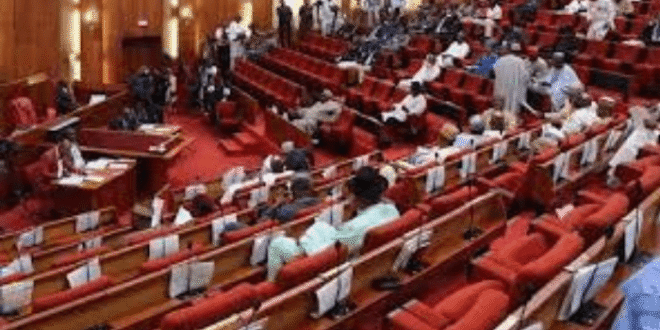
The Senate on Wednesday declared that the Federal Government’s envelope budgeting system is inadequate to tackle Nigeria’s worsening security crisis, warning that President Bola Tinubu’s security allocations fall short of the country’s urgent needs
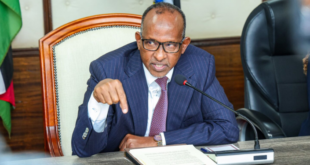
The position was made known during the 2026 budget defence of the Office of the National Security Adviser in Abuja, where lawmakers confronted officials over funding gaps, delayed releases and unimplemented capital projects
Chairman of the Senate Committee on National Security and Intelligence, Yahaya Abdullahi, said the current framework has repeatedly failed to meet the operational demands of security and intelligence agencies
“The envelope budgeting system is not sufficient to address the magnitude of security threats confronting the nation,” Abdullahi said
“If we are serious about winning the fight against insecurity, then our funding structure must reflect that seriousness
Security agencies cannot operate optimally under financial constraints and delayed releases.”
He stressed that the rigid expenditure ceiling imposed on ministries, departments and agencies under the envelope system is unsuitable for a sector that requires flexibility and rapid response
Abdullahi lamented that delayed and inadequate releases, especially capital allocations in the 2024 and 2025 budgets, have weakened operations nationwide
According to him, key projects aimed at strengthening intelligence gathering, surveillance infrastructure, logistics and operational mobility were either not executed or only partially implemented
He warned that failure to fully implement capital votes undermines procurement, training and deployment across the security architecture
Corroborating the concerns, the Permanent Secretary, Special Services, ONSA, Mohammed Sanusi, identified envelope budgeting, irregular overhead releases and poor implementation of capital appropriations as major constraints
“The envelope budgeting framework has posed significant challenges to our operations,” Sanusi stated
“Irregular overhead releases and the failure to fully implement capital appropriations have affected our ability to effectively coordinate and support security agencies.”
Sanusi maintained that security management requires a dynamic funding mechanism capable of responding swiftly to emerging threats and intelligence-driven operations without bureaucratic delays
He added that ONSA’s coordinating role across multiple security and intelligence outfits depends heavily on predictable and sufficient funding flows
The Senate’s criticism comes amid persistent insecurity across the country, including insurgency in the North-East, banditry and kidnappings in the North-West and North-Central, separatist tensions in the South-East, and oil theft and piracy in the Niger Delta
Although security consistently accounts for a significant share of the national budget, lawmakers questioned whether the structure and timing of releases align with operational realities
Senators argued that the declaration of a national emergency on security should translate into exceptional funding measures rather than routine fiscal controls
They warned that a widening gap between threats and available resources could erode public confidence and embolden criminal elements
Nevertheless, Abdullahi assured the agency of legislative backing
“We are committed to providing the necessary legislative support to ensure that our security architecture is strengthened,” he added
Following deliberations in open session, the committee moved into a closed-door meeting to examine classified components of the proposal
The outcome of the review is expected to shape funding reforms for Nigeria’s security institutions in the 2026 fiscal year as lawmakers seek to balance fiscal discipline with the urgent need to restore stability nationwide