 African Telescope Independent Journalism. African Perspectives
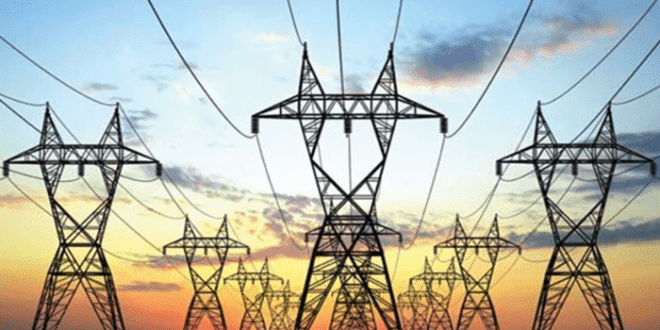
Nigeria has cleared ₦501 billion in long-standing power sector debts, signalling a major push by President Bola Ahmed Tinubu’s administration to fix the electricity challenges that have crippled Africa’s largest economy for over a decade.
The breakthrough followed the country’s first bond issuance dedicated to settling power sector arrears, which recorded full subscription from pension funds, banks and asset managers.
The bond sale forms part of the Presidential Power Sector Debt Reduction Programme aimed at restoring confidence in Nigeria’s electricity market.
The initial tranche comprises ₦300 billion raised from the capital market and ₦201 billion in bonds allocated directly to power generation companies.
The funds will settle about half of the debts owed to electricity producers for power supplied between 2015 and 2025.
Fourteen power plants operated by five generation companies are covered under the deal, with total negotiated liabilities estimated at ₦827.16 billion to be paid in four instalments.
The plants account for more than 4,480 megawatts of generation capacity, a critical chunk of Nigeria’s power supply.
Industry leaders say the debt clearance could unlock fresh investment and revive stalled projects.
Sahara Power Group Managing Director, Kola Adesina, said the settlement would enable immediate work on the second phase of the Egbin Power Plant, Nigeria’s largest power station.
Nigeria’s electricity sector has been weighed down by chronic payment defaults, weak collections and mounting debts, forcing power producers to operate below capacity despite the country’s vast gas resources.
The result has been persistent blackouts that hurt households, businesses and industrial growth.
Since assuming office in 2023, the Tinubu administration has prioritised power sector reforms as part of broader economic restructuring.
Officials believe clearing legacy debts will improve liquidity, enforce financial discipline and attract both domestic and foreign investors.
Several government agencies, including the Debt Management Office, the Central Bank of Nigeria and Nigerian Bulk Electricity Trading Plc, supported the bond issuance.
Additional tranches are expected to complete the remaining payments.
Energy analysts across Africa are closely watching Nigeria’s approach, as many countries on the continent face similar electricity financing challenges.
If successful, Nigeria’s model could set a template for power sector reforms across the region.










