 African Telescope Independent Journalism. African Perspectives
By Olakunle Oyedunmola |
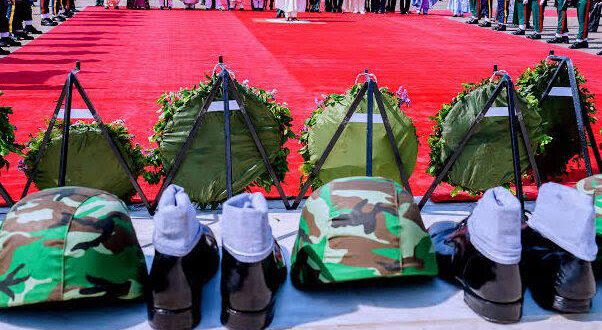
As Nigeria marked the 2026 Armed Forces Remembrance Day on January 15, strong calls have emerged for the country to move beyond ceremonial wreath-laying and confront the harsh realities facing soldiers, veterans and families of fallen heroes.
The annual event, meant to honour officers and men who paid the supreme price in defence of the nation, has been described as hollow without concrete action to improve the welfare of those still fighting on the frontlines and those left behind.
From the Nigerian Civil War to peacekeeping missions across Africa and the ongoing war against insurgency, banditry and terrorism, members of the Armed Forces of Nigeria have continued to bear the brunt of the country’s security failures.
“Remembrance without responsibility is empty,” the editorial argued, warning that honouring fallen soldiers with speeches alone amounts to “national hypocrisy.”
Many troops, it noted, never returned from battle, while others came back with life-long physical and psychological trauma, only to face delayed benefits, poor healthcare and uncertain living conditions.
According to the piece, basic entitlements such as modern equipment, fair compensation, prompt pensions, quality medical care and decent housing should not be treated as favours.
“These are obligations, not privileges,” it stressed, adding that a nation that celebrates its heroes but neglects their welfare “erodes morale and weakens national security.”
While the rebranding of the occasion as Armed Forces Celebration and Remembrance Day was welcomed, the editorial insisted that renaming alone cannot substitute for action.
Beyond government, Nigerians were urged to recognise that security is a collective responsibility.
“Peace cannot thrive where citizens fuel division, spread hate or frustrate law enforcement,” it said, calling on Nigerians to reject ethnic and religious bigotry and work with security agencies.
The editorial also placed responsibility squarely on political leaders, saying insecurity will persist unless deeper issues such as poverty, injustice, corruption and weak governance are addressed.
“As flags fly at half-mast, the real test is not the ceremony but what happens after,” it concluded. “Nigeria must prove that the blood of its fallen heroes was not shed in vain.”










