 African Telescope Independent Journalism. African Perspectives
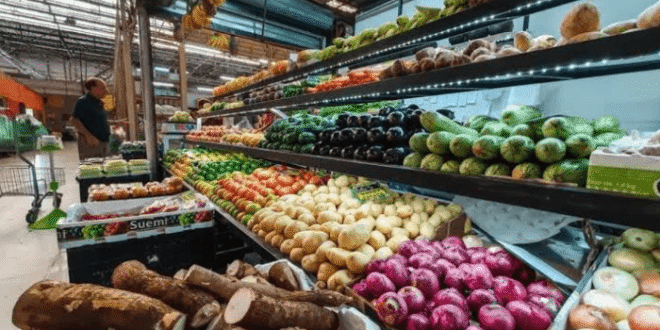
Food prices across Nigeria recorded mixed movements in January 2026, as increased agricultural output brought relief to consumers through lower prices of staple foods, while rising costs of cooking oils and processed items continued to strain household budgets.
Market surveys comparing December 2025 with early January 2026 show that improved harvests, higher domestic production and better supply flows helped reduce prices of key staples such as rice, beans, garri and grains across major markets.
The trend reflects peak harvest activity and policy interventions aimed at boosting food production and market stability.
In the North-Central region and the Federal Capital Territory (FCT), Abuja, prices of locally produced rice fell sharply.
A 50kg bag now sells for between ₦50,000 and ₦55,000, down from ₦63,000 to ₦65,000 in December.
Imported rice also declined, selling for ₦72,000 to ₦75,000 per bag, though it remains more expensive than local varieties.
White beans prices eased, while brown beans remained relatively high.
Despite the gains in staple foods, cooking oils moved in the opposite direction.
A 25-litre container of groundnut oil rose to about ₦70,000, while palm oil climbed to around ₦57,000.
Retail prices now average ₦2,500 per litre for groundnut oil and ₦2,300 for palm oil, limiting the overall impact of the drop in grain prices on household food spending.
In the South-East, bumper harvests supported price stability and declines in staples.
Markets in Ebonyi State recorded significant reductions in beans and rice prices compared with last year, while garri and yam prices also eased across several farming communities.
The North-West also recorded broad-based price declines.
In Kano markets, prices of rice, beans, garri, sorghum and millet dropped compared with both last month and a year earlier, as improved supply and reduced speculative buying helped ease market pressures.
In the South-West and Lagos markets, prices remained mixed.
While rice and garri showed some moderation, tomatoes, onions, peppers and vegetable oils continued to sell at elevated prices due to logistics, fuel and supply challenges.
Officials at the Federal Ministry of Agriculture and Food Security attributed the easing of staple prices to increased output driven by expanded planting, improved access to fertilisers and inputs, and mechanisation initiatives.
They noted that programmes under the National Agricultural Growth Scheme have shifted markets from scarcity towards relative abundance.
However, analysts caution that rising costs of cooking oils, inflationary pressures, exchange rate volatility and security concerns could threaten the fragile gains in food price stability.
While January figures point to easing pressure on core staples, the continued rise in edible oils underscores the ongoing challenge of keeping food affordable for Nigerian households.










