 African Telescope Independent Journalism. African Perspectives
By Deborah Odekola |
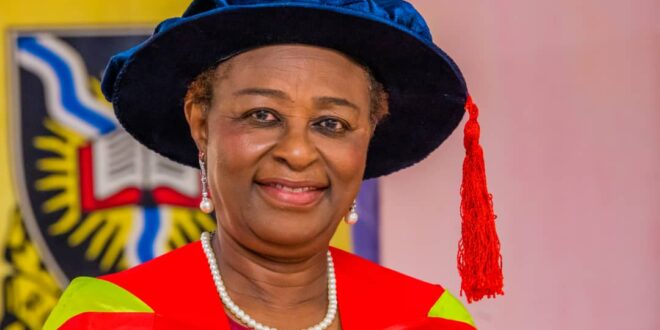
A Professor of Paediatric Radiology at the University of Ibadan, Omolola Mojisola Atalabi, has called for stronger radiation protection policies, including the inclusion of safeguards against excessive ionising radiation in the Child Rights Act, warning that children are particularly vulnerable to the harmful effects of medical imaging.
Atalabi made the call on Thursday while delivering the 619th Inaugural Lecture of the University of Ibadan on behalf of the Faculty of Clinical Sciences.
The lecture, titled, “Spinning in the Invisible Rays of Paediatric Imaging: A Prophecy Fulfilled from Darkness to Light of Destiny,” highlighted the growing role of paediatric imaging in modern healthcare and the need to prioritise children’s safety amid increasing use of diagnostic technologies.
She noted that while medical imaging has transformed the diagnosis and treatment of childhood diseases, imaging procedures involving ionising radiation must be carefully justified to ensure that children receive the maximum clinical benefit with the least possible radiation exposure.
“Children are not miniature adults,” the don stressed, adding that imaging procedures for paediatric patients should follow specialised protocols rather than those designed for adults.
Atalabi advocated stricter regulation of imaging centres, particularly private facilities, urging regulatory authorities to strengthen compliance monitoring to ensure adherence to paediatric radiation safety standards.
She also called for continuous professional training for radiologists, radiographers and medical physicists, alongside the development of locally appropriate imaging protocols that balance patient safety with diagnostic accuracy.
The professor disclosed that man-made radiation now contributes significantly to overall radiation exposure, with Computed Tomography (CT) scans and Nuclear Medicine accounting for the highest doses of medical radiation.
She urged healthcare providers to embrace safer alternatives such as ultrasound and Magnetic Resonance Imaging (MRI), where appropriate, because they do not expose children to ionising radiation.
Atalabi further stressed the need for increased investment in specialised training and improved access to imaging equipment for medical students and healthcare professionals, noting that competent personnel and stronger healthcare systems are essential for improving patient outcomes.
She also underscored the importance of mentorship, collaboration and ethical responsibility in advancing paediatric radiology, insisting that technological innovation must never come at the expense of patient safety.
The inaugural lecture was the 16th in the University’s 2025/2026 academic session.










