 African Telescope Independent Journalism. African Perspectives
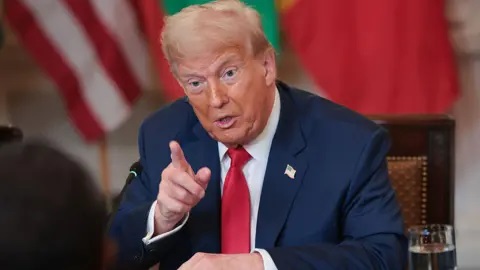
Iran has received a 15-point proposal from the United States aimed at ending the escalating Middle East war, Pakistani officials said on Wednesday, raising cautious optimism for a diplomatic resolution despite ongoing hostilities.
The conflict, which began on February 28 following a US-Israeli bombing campaign on Iran, has rapidly spread across the region, pushing oil prices higher and threatening the global economy.
US President Donald Trump has repeatedly claimed progress in discussions with Iran, although Tehran has denied that any negotiations are taking place.
However, diplomatic momentum appeared to build after two senior officials in Islamabad disclosed that American proposals had been “conveyed to Iran” through Pakistani intermediaries.
Pakistan is being considered a possible mediator due to its longstanding ties with both Iran and the United States, as well as its influence in the region.
Despite these diplomatic moves, military operations continued across multiple fronts, with targets in Iran, Israel, Lebanon, Bahrain, Kuwait, Jordan and Saudi Arabia coming under attack.
Iran’s military said it launched a volley of cruise missiles at the USS Abraham Lincoln carrier group, claiming the strikes “forced it to change its position” and warning of “powerful strikes” if the “hostile fleet” returns within range.
Israel, a key US ally, confirmed strikes on targets in Tehran and a submarine development facility in Isfahan.
Civilians caught in the conflict expressed fear and helplessness.
“There is gasoline, water and electricity. But there is a sense of helplessness in all of us. We don’t know what to do, and there’s really nothing we can do,” a Tehran resident, Shayan, said.
In Lebanon, Israeli warplanes bombed the southern suburbs of Beirut, a stronghold of Hezbollah, leaving widespread destruction.
The conflict expanded after Hezbollah began firing rockets into Israel on March 2 in response to the killing of Iran’s supreme leader, Ayatollah Ali Khamenei.
Lebanese authorities said more than 1,000 people have been killed in over three weeks of Israeli strikes, with more than one million displaced.
In the southern Lebanese city of Tyre, residents expressed determination to remain despite the bombardment.
“They’ll have to take us by force,” said Khalil, who is sheltering with his family.
“We don’t want to leave our land… our heart is here,” he added.
Behind the scenes, diplomatic efforts continued, though uncertainty remains over their outcome.
“There is hope but it’s too early to be optimistic,” a regional diplomatic source said, noting both sides must find a way to de-escalate without losing face.
Publicly, Iran maintained a defiant stance, with parliament speaker Mohammad Bagher Ghalibaf warning the United States, “Do not test our resolve to defend our land.”
Reports indicated that Trump’s proposal includes a ceasefire framework and a broader agreement that would ban Iran from enriching uranium domestically while reopening the vital Strait of Hormuz oil route.
In return, Iran could receive relief from sanctions.
Global markets reacted to signs of possible de-escalation, with stocks rising and oil prices falling, although concerns remain over the Strait of Hormuz, a critical route for global oil supplies.
Trump hinted at progress, telling reporters that Iran had given him “a very big present worth a tremendous amount of money,” linked to developments around the strait.
Iran, in a message circulated by the International Maritime Organisation, assured safe passage for “non-hostile vessels” but warned that ships linked to the United States and Israel would not be allowed through.
The International Energy Agency signalled readiness to release additional oil reserves if necessary to cushion the impact on global supply.
The economic effects are already being felt worldwide, with Sri Lanka introducing an extra day off work to conserve energy and diesel prices doubling in Vietnam.
“With this unbelievable price of diesel, I cannot even sell my truck as no one is going to use it,” Vietnamese businessman Nguyen Van Chi said.










