 African Telescope Independent Journalism. African Perspectives
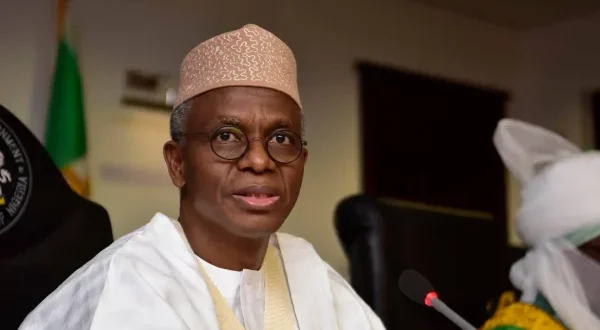
Former Kaduna State Governor, Nasir El-Rufai, has accused the United States of playing politics with Nigeria after a proposed sanctions bill listed former Kano State Governor, Rabiu Musa Kwankwaso, among individuals allegedly linked to religious freedom violations.
The legislation, introduced by US Congressman Riley Moore and co-sponsored by Chris Smith, seeks visa bans and asset freezes under the Global Magnitsky Human Rights Accountability Act as part of the Nigeria Religious Freedom and Accountability Act of 2026.
Speaking on ARISE TV’s Prime Time programme on February 13, El-Rufai described the inclusion of Kwankwaso’s name as “suspicious and politically driven.”
“Twelve northern states implemented Sharia law. The first was Zamfara, yet it is Kwankwaso being singled out. It raises the question — where is this coming from?” he asked.
El-Rufai suggested the move may be tied to Nigeria’s internal political realignments, particularly Kwankwaso’s refusal to align with the ruling party under President Bola Tinubu. He hinted that speculation over Kwankwaso’s potential moves ahead of future elections may have triggered external pressure.
“Kwankwaso is not known as a religious extremist. This is unfair and politically motivated,” he added.
The bill also reportedly targets Fulani nomad militias and pastoral groups, including the Miyetti Allah Cattle Breeders Association of Nigeria and Miyetti Allah Kautal Hore, as entities allegedly linked to religious violence. It recommends that humanitarian aid for affected communities in Nigeria’s Middle Belt be channelled through faith-based and non-governmental organisations.
El-Rufai cautioned Nigerians against reading too much into the US initiative, arguing that domestic political interests, especially efforts to court evangelical voters, could be shaping the narrative.
“This is domestic political posturing in the United States. Nigerians should not become pawns in another country’s internal political debate,” he said.
While rejecting what he described as foreign interference, El-Rufai admitted that insecurity across Nigeria has worsened and criticised the country’s security architecture.
“Everyone is at risk. The security architecture has failed — whether through incompetence or lack of action — and serious questions must be asked,” he declared.
As of press time, neither the Presidency nor Kwankwaso had responded officially to the former governor’s claims, leaving the sanctions controversy to further heat up Nigeria’s already charged political landscape.










