 African Telescope Independent Journalism. African Perspectives
Williams Emmanuel |
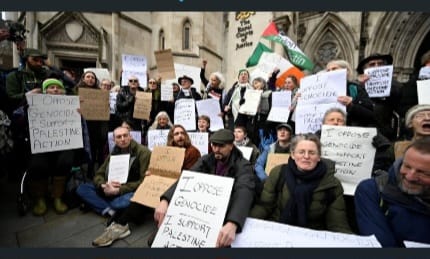
A landmark ruling by the High Court in the has dealt a significant blow to the government’s use of terrorism powers, declaring that its decision to proscribe an organisation as a terrorist group was unlawful.
The judgment marks a major victory for human rights advocates, who had challenged the government’s move as disproportionate and lacking sufficient legal basis.
The court found that the proscription failed to meet the strict legal thresholds required under UK law, raising concerns about due process and the protection of civil liberties.
Terror proscription in the UK carries sweeping consequences.
Once an organisation is banned, membership, support, or even public expressions of sympathy can amount to criminal offences.
Critics have long argued that such measures, while aimed at safeguarding national security, must be exercised with extreme caution to prevent abuse and safeguard democratic freedoms.
In its ruling, the High Court emphasised that government decisions involving national security are not beyond judicial scrutiny.
Judges underscored that the rule of law requires ministers to act within clearly defined legal limits, even when responding to security threats.
Rights groups welcomed the decision, describing it as a reaffirmation that counterterrorism policies must comply with human rights standards.
They said the judgment sends a strong message that executive powers cannot override constitutional safeguards.
For African observers, the case carries broader significance.
Many countries across the continent have grappled with balancing counterterrorism efforts against the protection of civil liberties. The UK ruling highlights the role of independent courts in holding governments accountable, even in highly sensitive security matters.
Legal analysts say the decision could prompt a review of how proscription powers are applied in the UK and potentially influence similar legal debates in other jurisdictions.
As governments worldwide continue to confront complex security challenges, the High Court’s decision stands as a reminder that the fight against terrorism must not come at the expense of fundamental rights and the rule of law.










